
Trader Vic’s Bartender Guide: A Comprehensive Overview
Trader Vic’s, founded in 1934, revolutionized cocktail culture with exotic flavors and a festive atmosphere; this guide explores the techniques and
recipes that defined a generation of bartenders.
Early Life and Influences of Victor Bergeron
Victor Jules Bergeron, known affectionately as “Trader Vic,” wasn’t initially destined for a life steeped in rum and exotic cocktails. Born in 1902, his early years were marked by a resourceful spirit honed through necessity. After a challenging childhood, Bergeron embarked on a twenty-year journey learning the intricacies of the restaurant business, gaining invaluable experience that would later shape his iconic establishment.
A pivotal influence was his deep appreciation for Cantonese-style cooking, a passion that fueled his desire to create a unique dining experience. This culinary fascination, combined with a knack for storytelling and a love for authentic, exotic décor, laid the foundation for the distinctive atmosphere that would become synonymous with Trader Vic’s. His travels, including a formative trip to Cuba in the 1930s, exposed him to diverse flavors and cocktail traditions, further enriching his vision.
Learning the Restaurant Business
Victor Bergeron’s initial two decades were a practical education in the hospitality industry, a crucial period before launching Trader Vic’s. He immersed himself in all facets of restaurant operations, developing a keen understanding of what resonated with diners and mastering the art of creating a memorable experience. This hands-on approach instilled in him a sharp business acumen and a finely-tuned intuition for anticipating customer desires.
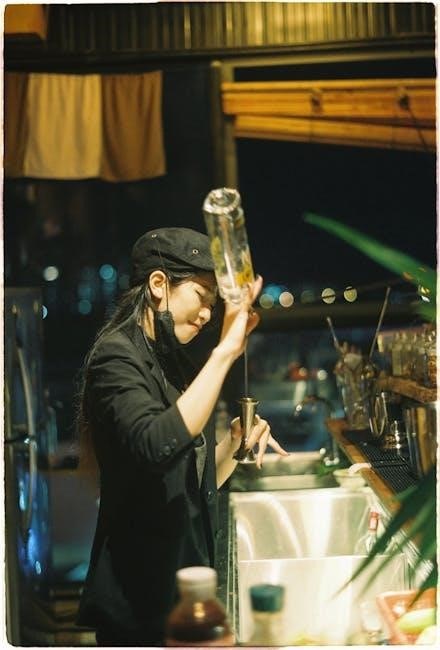
He wasn’t merely observing; Bergeron actively honed his skills in entertaining and service, recognizing that a successful restaurant was more than just good food. He learned to cultivate a festive ambiance, understanding the power of atmosphere in attracting and retaining patrons. This period solidified his flair for presentation and his commitment to providing exceptional hospitality, elements that would become hallmarks of the Trader Vic’s brand.
The Founding of Trader Vic’s (1934)
Trader Vic’s began in 1934 in Oakland, California, born from Victor Bergeron’s vision of a unique dining experience. It wasn’t simply a restaurant; it was an immersive escape, blending Cantonese-style cooking with exotic décor and a vibrant, festive atmosphere. Bergeron skillfully combined authentic South Seas recipes with captivating storytelling, creating a brand of “restaurant chemistry” that captivated a post-Prohibition America eager for adventure and novelty.
The initial concept catered to a burgeoning jet-set crowd and those seeking an exotic getaway without leaving the country. Bergeron’s keen eye for detail extended to sourcing authentic antiques, further enhancing the immersive experience. This careful curation of ambiance, coupled with innovative cuisine and, of course, groundbreaking cocktails, quickly established Trader Vic’s as a destination for those seeking something truly different.
The Unique Atmosphere of Trader Vic’s
Trader Vic’s wasn’t just about the drinks; it was a total sensory experience. Bergeron meticulously crafted an atmosphere of exotic escapism, transporting guests to the South Seas through carefully curated décor. Authentic antique furnishings, sourced from around the globe, played a crucial role, creating a sense of genuine discovery and adventure. The restaurants were designed to feel like a secluded Polynesian hideaway, a world away from everyday life.
This immersive environment extended beyond the visual. The lively, festive ambiance, combined with the aroma of Cantonese cuisine and the sounds of tropical music, completed the illusion. Bergeron understood the power of storytelling, weaving tales of the South Pacific into the dining experience. This dedication to detail and immersive design made Trader Vic’s a destination, not just a restaurant.
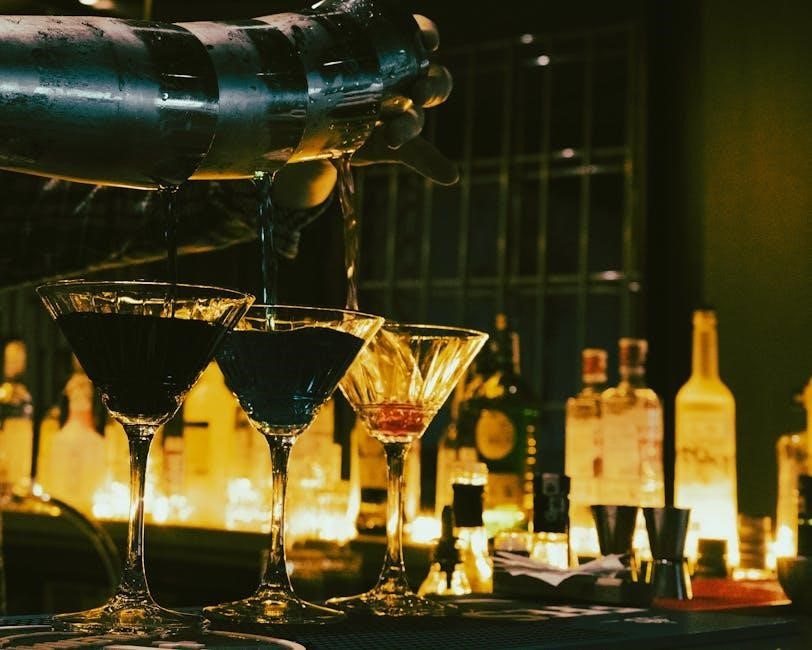
Key Cocktail Innovations
Trader Vic’s elevated cocktail artistry, pioneering rum-based drinks and flash blending techniques, forever changing the landscape of American mixology and tiki culture.
The Mai Tai: Origins and Evolution
The Mai Tai, arguably Trader Vic’s most famous creation, boasts a fascinating history rooted in a friendly competition. In 1944, Bergeron crafted the drink for two visiting Tahitian friends, and upon their delighted exclamation of “Maita’i roa ae!” (meaning “out of this world!”), the name was born.
The original recipe, a closely guarded secret, differed significantly from later iterations. It featured a blend of aged Jamaican rum, Martinique rhum agricole, orange curaçao, orgeat syrup, and fresh lime juice. Over time, as demand surged and ingredients became harder to source, the recipe evolved, often utilizing readily available dark rum.
Despite variations, the core essence of the Mai Tai – a harmonious balance of rum, sweetness, and citrus – remained constant. Trader Vic meticulously refined the drink, ensuring each sip transported guests to a tropical paradise, solidifying its status as a tiki cocktail icon.
The Daiquiri: A Cuban Inspiration
Trader Vic deeply admired the classic Cuban cocktails, and the Daiquiri held a special place in his repertoire. He encountered the perfected version at La Florida Bar in Havana, thanks to Constantino, and recognized its potential for adaptation within his Polynesian-themed establishment.
While seemingly simple – rum, lime juice, and sugar – the Daiquiri’s brilliance lies in its balance. Trader Vic embraced this principle, employing his signature “flash blend” technique to achieve a perfectly chilled and integrated drink. He would strain it into a chilled Tiki Stem Coupe glass, garnished with a lime wheel.
The Daiquiri served as a foundational influence, demonstrating the power of fresh ingredients and precise execution. It showcased Vic’s ability to elevate a classic, proving that even a seemingly straightforward cocktail could become extraordinary with attention to detail and quality components.
Trader Vic’s Approach to Rum Cocktails
Trader Vic wasn’t merely mixing drinks; he was crafting experiences centered around rum. His approach prioritized showcasing the spirit’s diverse character, utilizing aged, dark, and light rums strategically within his creations. He understood that rum wasn’t a monolithic entity, but a spectrum of flavors waiting to be unlocked.
Central to Vic’s philosophy was the art of blending. He expertly combined different rums to achieve complex profiles, layering notes of fruit, spice, and oak. This wasn’t random experimentation, but a calculated process informed by his palate and a deep understanding of rum production.
Furthermore, Trader Vic believed in complementing rum with equally vibrant ingredients – fresh juices, exotic syrups like Orgeat, and the distinctive citrus notes of Curaçao. He aimed for harmonious balance, ensuring no single element overpowered the others, resulting in truly unforgettable cocktails.
The Importance of Fresh Ingredients
Trader Vic vehemently championed the use of fresh ingredients, believing they were non-negotiable for exceptional cocktails. He understood that pre-made mixes and bottled juices simply couldn’t replicate the vibrancy and nuance of the real thing. This commitment to quality permeated every aspect of his bar program.
Lime juice, a cornerstone of many Trader Vic’s recipes, was always freshly squeezed. He cautioned against using bottled alternatives, emphasizing their often artificial taste and lack of brightness. Similarly, syrups were made in-house, allowing for precise control over sweetness and flavor profiles.
This dedication extended to fruits and garnishes. Vic insisted on using ripe, seasonal produce, believing their natural sugars and aromas elevated the entire drinking experience. He saw fresh ingredients not as a cost, but as an investment in quality and customer satisfaction.
Signature Trader Vic’s Cocktails
Trader Vic’s became renowned for innovative cocktails like the Mai Tai, Fog Cutter, Scorpion, and Grog Grotto, each a complex blend of rum, syrups, and exotic juices.
Mai Tai Recipe Breakdown
The Mai Tai, arguably Trader Vic’s most famous creation, is a masterful balance of flavors. The classic recipe calls for a blend of aged rum (6-10 years), orange curaçao, fresh lime juice, and orgeat syrup – a key component providing almond notes. Bergeron’s original intent was to create a cocktail that truly transported drinkers to Tahiti.
To craft a perfect Mai Tai, flash blending with ice is crucial, followed by straining into a chilled Tiki Stem Coupe glass. The proportions are vital: a precise ratio of rum to curaçao and lime ensures harmony. Experimentation with different aged rums can subtly alter the profile, adding depth and complexity. Garnishing with a lime wheel completes this iconic tropical escape.
Remember, quality ingredients are paramount. Freshly squeezed lime juice is non-negotiable, and a good orgeat syrup will elevate the drink significantly. Mastering the Mai Tai is a rite of passage for any aspiring Trader Vic’s bartender.
The Fog Cutter: A Powerful Blend
The Fog Cutter, a signature Trader Vic’s cocktail, lives up to its name – it’s a potent and complex drink designed to “cut through the fog.” This bold blend combines multiple spirits: gin, brandy, rum, and sherry, alongside orange juice, lemon juice, orgeat syrup, and a touch of grenadine for color and sweetness.
The key to a well-made Fog Cutter lies in the layering of flavors. Each spirit contributes a distinct element, creating a surprisingly harmonious whole. Flash blending with ice is essential to achieve the correct texture and chill. Strain into a large glass, as this is a substantial cocktail!
Trader Vic intended this drink to be a serious experience, a testament to his flair for dramatic presentations. It’s a cocktail to be savored, not rushed, and a true representation of the adventurous spirit of Trader Vic’s.
The Scorpion: A Bold and Fruity Choice
The Scorpion, another iconic creation from Trader Vic’s, is a vibrant and intensely flavorful cocktail. It’s known for its generous use of rum – often a blend of light and dark – combined with brandy, gin, and a splash of sherry, creating a powerful base.
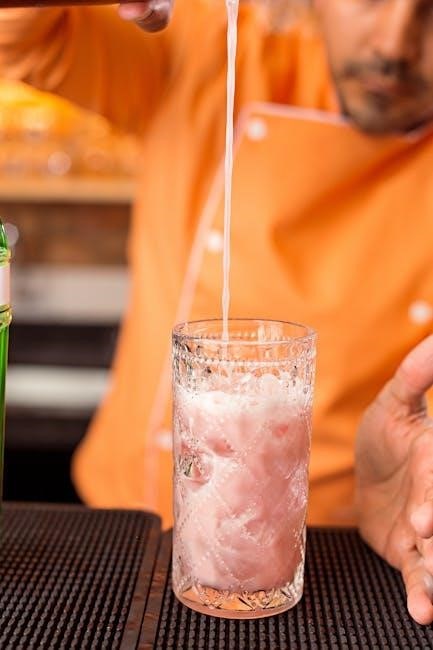
What truly sets The Scorpion apart is its fruity complexity. Orange juice, lemon juice, and a generous pour of orgeat syrup provide sweetness and balance, while a dash of grenadine adds a beautiful ruby hue. Some variations even include pineapple juice for an extra tropical kick.
Traditionally served in a large, dramatic glass, often garnished with a flaming orange slice or a pineapple wedge, The Scorpion embodies the theatrical flair of Trader Vic’s. It’s a bold choice for those seeking a truly unforgettable tiki experience.
The Grog Grotto: A Tropical Escape
The Grog Grotto, a signature drink from Trader Vic’s, is designed to transport you to a secluded island paradise. This potent concoction is a masterful blend of multiple rums – often aged, dark, and light – creating a complex and layered foundation.
Beyond the rum, The Grog Grotto incorporates brandy, grapefruit juice, lime juice, and a touch of almond syrup (orgeat) for sweetness and nutty undertones. A secret ingredient, often a splash of passion fruit juice, adds an exotic and tantalizing aroma.
Served in a large, carved tiki mug, and typically garnished with a generous sprig of mint and a slice of grapefruit, The Grog Grotto is more than just a drink; it’s an immersive experience. It’s a testament to Trader Vic’s commitment to creating a truly escapist atmosphere.
Essential Bartending Techniques
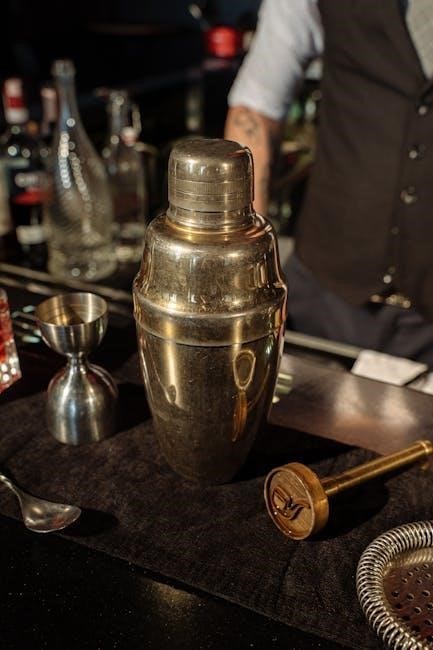
Trader Vic’s bartenders mastered flash blending, precise glassware selection – like the Tiki Stem Coupe – and artful garnishing to balance sweetness and sourness perfectly.
Flash Blending Techniques
Flash blending was a cornerstone of Trader Vic’s cocktail preparation, a technique perfected to achieve a uniquely smooth and chilled consistency. Unlike traditional blending, flash blending involved a very brief burst of ice and liquid, creating a frothy emulsion without over-diluting the drink.
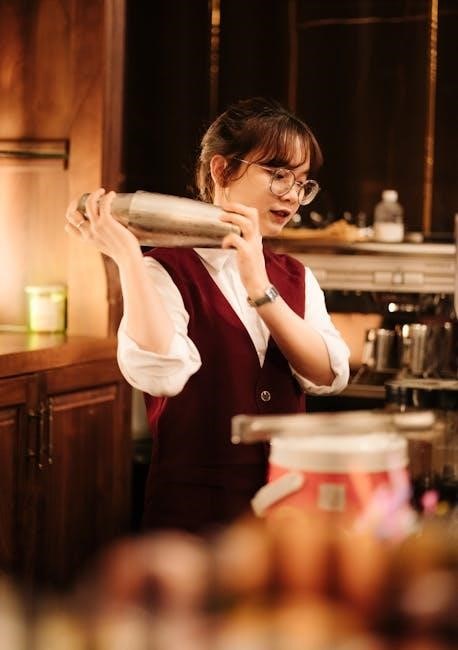
Victor Bergeron emphasized speed and precision; the goal was to chill and combine ingredients rapidly, preserving their individual flavors. Bartenders would utilize a standard blender, but with a focused, short pulse – typically just a few seconds. This method was particularly crucial for cocktails like the Mai Tai and Scorpion, where a light, airy texture was paramount.
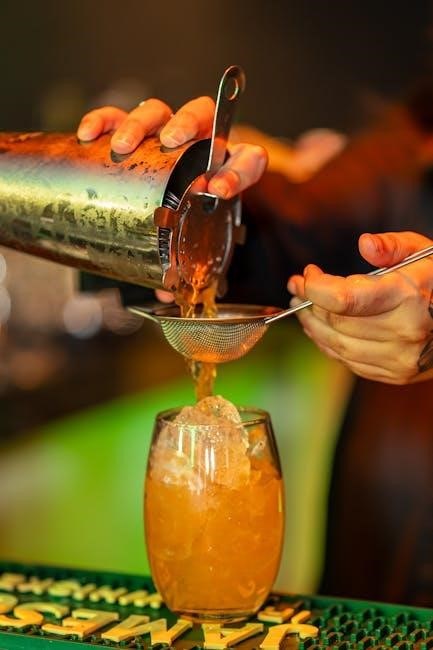
Following the flash blend, immediate straining into a chilled glass was essential. This prevented further dilution and maintained the cocktail’s optimal temperature. Mastering this technique required practice and a keen understanding of ingredient balance, ensuring each drink delivered the signature Trader Vic’s experience.
Proper Glassware Selection (Tiki Stem Coupe)
Trader Vic’s wasn’t just about the drinks; presentation was paramount, and the choice of glassware was integral to the overall experience. While various vessels were employed, the Tiki Stem Coupe became synonymous with the brand’s aesthetic. This distinctive glass, blending Polynesian influences with Art Deco elegance, elevated each cocktail into a visual masterpiece.
The stemmed coupe, unlike a standard rocks glass, offered a refined presentation, showcasing the drink’s color and texture. Its shape also contributed to aroma concentration, enhancing the sensory experience. Bergeron believed the glass should complement the cocktail’s character – a lighter, fruitier drink in a more delicate coupe, and bolder concoctions in sturdier variations.
Maintaining chilled glassware was non-negotiable. Pre-chilling ensured the cocktail remained at its optimal temperature for longer, preserving its flavors and preventing dilution. The Tiki Stem Coupe wasn’t merely a container; it was an extension of the Trader Vic’s philosophy – a commitment to immersive, sophisticated enjoyment.
Garnishing for Visual Appeal
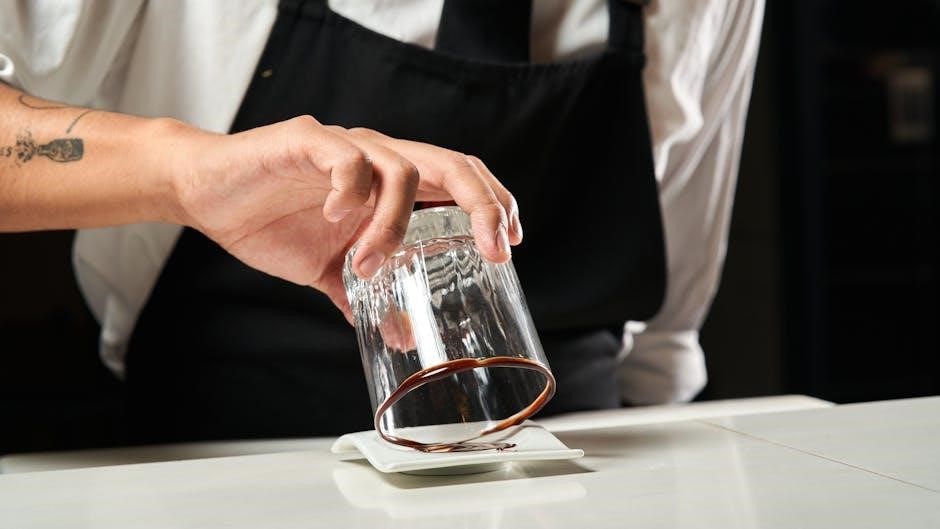
Trader Vic’s understood that cocktails were as much a visual experience as a gustatory one. Garnishing wasn’t an afterthought; it was an art form, meticulously crafted to enhance the drink’s allure and hint at its flavors. Bergeron favored fresh, vibrant garnishes, often incorporating exotic fruits and flowers to evoke a tropical paradise.
A simple lime wheel, meticulously cut and placed, was a staple, particularly for the Daiquiri. More elaborate creations might feature pineapple wedges, maraschino cherries, or even miniature paper umbrellas. The goal was to create a miniature landscape within the glass, transporting the drinker to a faraway land.
Garnishes weren’t solely decorative; they played a functional role, releasing aromatic compounds that complemented the cocktail’s profile. Bergeron emphasized balance – a garnish should never overpower the drink, but rather enhance its overall harmony. Presentation was key, reflecting Trader Vic’s commitment to immersive, theatrical hospitality.
Balancing Sweetness and Sourness
Trader Vic Bergeron possessed an innate understanding of flavor equilibrium, particularly the delicate dance between sweetness and sourness in his cocktails. He believed a truly exceptional drink wasn’t simply about strong flavors, but about harmonious integration. This principle was central to his approach, especially within rum-based concoctions.
Lime juice, a cornerstone of many Trader Vic’s recipes, provided the essential sour component. However, Bergeron cautioned against excessive acidity, advocating for careful calibration with sweeteners like orgeat syrup or curaçao. The goal was to achieve a vibrant, refreshing profile, not a puckering one.
He often employed “flash blending” – a quick, vigorous shake with ice – to properly chill and dilute the cocktail, further refining the balance. Tasting and adjusting were paramount; a skilled bartender, according to Bergeron, must be able to discern even subtle imbalances and correct them accordingly, ensuring a perfectly poised drink.
The Legacy of Trader Vic’s
Trader Vic’s profoundly impacted Tiki culture and cocktail history, inspiring countless bars and bartenders; his recipe books continue to share his innovative techniques and flavors.
Influence on Tiki Culture
Trader Vic’s wasn’t merely a restaurant; it was a catalyst for the entire Tiki movement, fundamentally reshaping American bar culture in the mid-20th century. Victor Bergeron’s genius lay in crafting an escapist fantasy, transporting patrons to a romanticized South Pacific through immersive décor, exotic ingredients, and, crucially, innovative cocktails.
Before Trader Vic’s, Polynesian-themed bars existed, but they often lacked authenticity and sophistication. Bergeron elevated the concept, meticulously sourcing antique artifacts and developing recipes that celebrated rum and tropical fruits. This created a vibrant, adventurous atmosphere that resonated with a post-war America eager for exotic experiences.
The influence extended beyond aesthetics; Trader Vic’s popularized rum-based cocktails, introducing Americans to the nuances of different rum styles and the art of blending them. Bartenders across the nation began to emulate his techniques, leading to a widespread fascination with Tiki drinks and the culture surrounding them. The legacy continues today, with a renewed appreciation for the artistry and escapism that Trader Vic’s pioneered.
Trader Vic’s Recipe Books
Trader Vic’s enduring legacy isn’t solely built on his restaurants, but also on the dissemination of his cocktail knowledge through a series of influential recipe books. These publications weren’t simply collections of drink formulas; they were portals into the world he created, offering glimpses into his philosophy of bartending and the stories behind his iconic creations.
His books, like “Trader Vic’s Tropical Cocktails,” became essential resources for both professional bartenders and home enthusiasts. They detailed not only the ingredients and methods for crafting his signature drinks – the Mai Tai, Fog Cutter, and Scorpion – but also provided insights into ingredient sourcing and flavor balancing.
These volumes helped democratize Tiki cocktail culture, allowing individuals to recreate the Trader Vic’s experience in their own homes. They remain valuable resources today, offering a direct connection to the originator of many beloved cocktails and preserving his innovative spirit for future generations of mixologists.
The Expansion of Trader Vic’s Restaurants
Following the success of the original Oakland location, Trader Vic’s embarked on a period of significant expansion, bringing its unique Polynesian-themed dining and cocktail experience to a wider audience. This growth wasn’t merely about replicating a successful formula; it involved carefully curating each new location to maintain the brand’s distinctive atmosphere and quality.
Restaurants began appearing in major cities across the United States, and soon, internationally, including locations in Hawaii, London, and beyond. Each Trader Vic’s outpost featured the signature décor – exotic antiques, lush foliage, and a lively ambiance – alongside a consistent cocktail menu and commitment to fresh ingredients.
This expansion solidified Trader Vic’s as a global phenomenon, influencing not only the restaurant industry but also cocktail culture worldwide. The consistent quality and immersive experience ensured that wherever a Trader Vic’s opened, patrons could expect a taste of the South Seas and expertly crafted cocktails.
Modern Adaptations of Trader Vic’s Cocktails
While honoring the legacy of Trader Vic Bergeron, modern bartenders are creatively reinterpreting his classic cocktails for contemporary palates. This involves exploring variations on original recipes, utilizing modern techniques, and sourcing higher-quality or more sustainable ingredients.
Many bars now experiment with different types of rum – from aged agricoles to overproof varieties – to add complexity to drinks like the Mai Tai and the Fog Cutter. There’s also a growing emphasis on house-made syrups and fresh juices, elevating the overall flavor profile.
These adaptations aren’t about abandoning the spirit of Trader Vic’s, but rather about celebrating it through innovation. Bartenders strive to maintain the balance of sweet, sour, and strong that defined Bergeron’s creations, while adding their own unique touch, ensuring these iconic drinks remain relevant for generations to come.
Ingredients Commonly Used
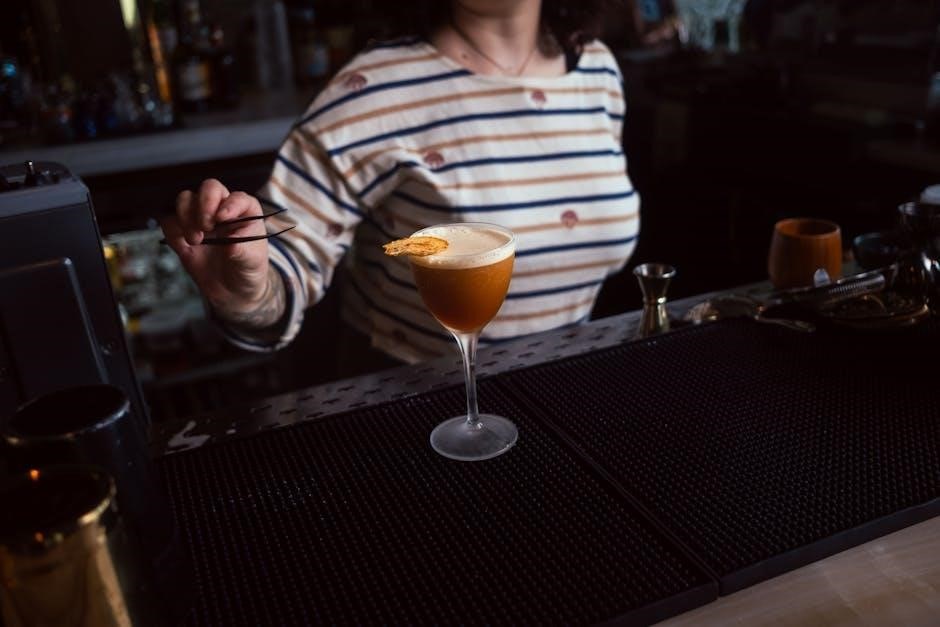
Trader Vic’s cocktails rely on quality rum—aged, dark, and light—curaçao for citrus notes, orgeat syrup for nutty sweetness, and, crucially, fresh lime juice for balance.
Types of Rum (Aged, Dark, Light)
Rum is the foundational spirit of Trader Vic’s cocktails, and Bergeron understood the nuances each type brought to a drink. Aged rums, typically 6-10 years old, contribute complex flavors of vanilla, oak, and spice, ideal for a sophisticated Mai Tai.
Dark rums, often molasses-based, offer richer, bolder notes of caramel and brown sugar, lending depth to drinks like the Scorpion. They provide a robust backbone and a slightly smoky character. Light rums, also known as white rums, are filtered to remove color and impart a cleaner, brighter profile.
These are essential for balancing sweeter ingredients and creating refreshing cocktails. Bergeron wasn’t dogmatic; he’d often blend rums to achieve a specific flavor profile, demonstrating a keen understanding of how different rums complemented each other. Experimentation was key, but quality remained paramount.
The Role of Curaçao
Curaçao, a liqueur flavored with the dried peel of the laraha orange, is a cornerstone of Trader Vic’s cocktail philosophy, providing both citrus flavor and vibrant color. Bergeron favored orange curaçao, recognizing its ability to harmonize with rum and other tropical ingredients. It’s a crucial component in the iconic Mai Tai, lending a distinctive aromatic complexity.
Unlike some modern interpretations, Trader Vic prioritized authentic curaçao, understanding that the quality significantly impacted the final drink. The liqueur’s subtle bitterness balances sweetness, preventing cocktails from becoming cloying. It also contributes to the layered flavor profiles that defined his creations.
Bergeron’s skillful use of curaçao wasn’t merely about adding orange flavor; it was about building depth and creating a sense of exoticism, transporting drinkers to the South Seas with every sip.
Orgeat Syrup: A Key Component
Orgeat syrup, a sweet almond-flavored syrup traditionally made from almonds, sugar, and orange flower water, held a pivotal role in Trader Vic’s cocktail repertoire. It wasn’t simply a sweetener; it provided a unique textural element and a delicate floral aroma that distinguished his drinks; Bergeron understood its power to elevate rum-based cocktails, particularly those aiming for a Polynesian flair.
The quality of orgeat was paramount. Trader Vic favored authentic orgeat, avoiding artificial imitations that lacked the nuanced flavor of genuine almond extract and orange blossom. This commitment to quality ensured a smooth, creamy mouthfeel and a balanced sweetness in cocktails like the Mai Tai.
Its subtle nutty notes complemented the boldness of rum and the citrus brightness of lime, creating a harmonious blend that became synonymous with the Trader Vic’s experience.
Lime Juice: Fresh vs. Bottled
Trader Vic Bergeron was a staunch advocate for using fresh lime juice in his cocktails, believing it was non-negotiable for achieving the vibrant, balanced flavors his drinks were known for. He vehemently opposed bottled lime juice, citing its metallic taste and lack of the bright, zesty aroma that fresh limes provided.
The acidity of fresh lime juice was crucial for cutting through the sweetness of syrups and liqueurs, creating a harmonious balance essential to Trader Vic’s signature cocktails. He understood that the quality of the lime directly impacted the final product, and consistently emphasized the importance of using ripe, juicy limes.
While convenient, bottled juice simply couldn’t replicate the complexity and freshness that only freshly squeezed lime juice could deliver, a principle central to his bartending philosophy.