Rain Bird 42SA+ Adjustment Instructions: A Comprehensive Guide
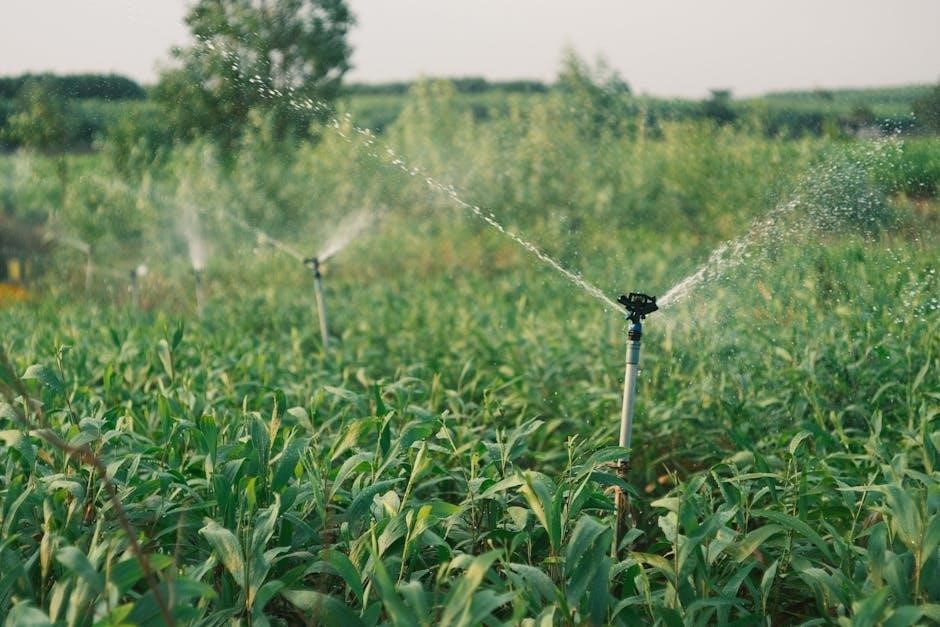
Achieving optimal lawn hydration with your Rain Bird 42SA+ sprinkler requires a nuanced approach, involving pressure balancing and precise nozzle adjustments for consistent coverage.
Dialing in your system may take a couple of days, starting with corner adjustments and utilizing the adjustable spray arcs and distance controls for tailored watering patterns.
Consider low-throw nozzles to mitigate wind drift, and explore soil retainers like Hydretain or Tournament Ready for enhanced water efficiency and moisture preservation.
Understanding the 42SA+ Sprinkler Head
The Rain Bird 42SA+ is a highly versatile spray head, commonly utilized in residential and commercial irrigation systems. Its core function is to distribute water evenly across designated lawn areas, but achieving this requires understanding its adjustable components. This model features a robust construction designed for durability and consistent performance, even under varying water pressure conditions.
Unlike fixed-spray heads, the 42SA+ allows for both full and part-circle operation, offering flexibility in landscape design. The adjustable spray arc, ranging from 40 to 360 degrees, enables precise water delivery, minimizing waste on sidewalks or structures. Furthermore, the head incorporates a throw screw mechanism, crucial for controlling the distance the water stream travels. This adjustability is key to matching precipitation rates across different sprinkler zones.
Understanding the interplay between pressure, nozzle type, and these adjustments is paramount. The 42SA+ is compatible with a variety of Rain Bird nozzles, each offering different flow rates and spray patterns. Proper nozzle selection, coupled with careful adjustment of the throw screw, ensures optimal coverage and water conservation.
Key Components and Their Functions
The Rain Bird 42SA+ sprinkler head comprises several key components working in concert to deliver efficient irrigation. The riser connects the head to the underground piping, providing a stable base. Atop the riser sits the cap, housing the internal mechanisms and protecting them from debris.
Crucially, the nozzle determines the spray pattern and distance. Different nozzles offer varying precipitation rates and arc adjustments. The spray arc screw controls the sector of coverage, allowing for adjustments from full to part-circle operation. The throw screw, often a point of adjustment, regulates the water stream’s distance, impacting the precipitation rate.
Internally, a spring and vane assembly regulate water flow and ensure consistent spray. The filter prevents clogging from sediment, maintaining optimal performance. Understanding each component’s function is vital for troubleshooting and fine-tuning the system. Remember, over-adjusting the throw screw can dislodge the nozzle, requiring careful re-installation.
Identifying Nozzle Types and Compatibility
Rain Bird 42SA+ sprinkler heads demonstrate versatility through compatibility with various nozzle types. Standard nozzles provide a range of arc adjustments, typically from 40 to 360 degrees, catering to diverse landscape needs. Low-pressure nozzles are ideal for areas with limited water supply, maximizing efficiency without sacrificing coverage.
The 4252SANZLPK nozzle tree offers a selection of low-flow options, perfect for reducing water consumption and minimizing misting, particularly beneficial in windy conditions. Heavier-duty, tournament-ready nozzles deliver precise water distribution, often favored for high-end lawns.
Compatibility isn’t solely about physical fit; precipitation rates must align. Utilizing a Rain Bird catalog is crucial for matching nozzle output to head capabilities. Mixing and matching nozzles from different manufacturers is generally discouraged, as it can lead to uneven watering. Selecting the correct nozzle ensures optimal performance and water conservation.
Initial Setup and Installation Considerations
Strategic placement is key for optimal coverage, starting in corners with adjustable spray arcs and distance controls to tailor watering patterns effectively.
Proper installation ensures efficient operation, while understanding full versus part-circle adjustments is vital for customized lawn hydration.
Proper Placement for Optimal Coverage
Achieving uniform lawn coverage begins with thoughtful sprinkler head placement. Start by positioning heads in the corners of your yard, allowing for overlapping spray patterns. This overlap is crucial, ensuring no dry spots emerge between sprinkler zones.
Consider the adjustable spray arcs of the 42SA+; strategically utilizing these allows you to navigate around obstacles like flower beds or structures. For flower beds, position sprayers at corners and set them to a 270-degree arc, preventing unwanted watering of non-lawn areas.
If you find you need less overlap, adding additional sprinkler heads with smaller spray distances can refine coverage. Remember, the goal is consistent hydration across the entire lawn. Careful planning during installation minimizes the need for extensive adjustments later, saving both time and water.
Prioritize avoiding obstructions that could disrupt the spray pattern, and ensure each head has a clear line of sight to the intended coverage area.
Adjusting Spray Arc – Full vs. Part Circle
The Rain Bird 42SA+ offers versatile spray arc adjustment, ranging from full circle (360 degrees) to part circle options. This flexibility is key to tailoring irrigation to your lawn’s unique shape and obstacles.
To adjust the arc, locate the flow screw on the sprinkler head. Turning it clockwise decreases the arc, while counter-clockwise increases it. The 42SA+ with the 4252SANZLPK nozzle tree supports arcs from 40 to 360 degrees.
For areas requiring complete coverage, set the arc to 360 degrees. However, for corners or along sidewalks, a part-circle arc (e.g., 90, 180, or 270 degrees) prevents water waste on non-lawn surfaces. Be cautious when adjusting; avoid over-rotating the screw, as this could dislodge the nozzle.
Remember to observe the spray pattern after each adjustment to ensure it aligns with your desired coverage area. Precise arc control maximizes water efficiency and promotes a healthy, evenly hydrated lawn.
Setting the Throw Radius – Distance Control
Controlling the throw radius of your Rain Bird 42SA+ sprinkler is crucial for achieving uniform watering and preventing dry spots or overspray. The 42SA+ boasts an adjustable radius ranging from 11 to 35 feet, allowing for precise distance customization.
Adjustment is achieved via the throw screw, located on the sprinkler head. Turning the screw clockwise decreases the radius, while counter-clockwise increases it. Begin with small adjustments and observe the spray pattern after each change.
Matching the radius to the specific area is vital. Consider factors like wind, slope, and plant type. Lowering the radius can minimize wind drift, particularly with the 32SA models using low-throw nozzles.
Consult the Rain Bird catalog for precipitation rate data associated with different nozzle types and radius settings. Proper radius setting ensures each area receives the appropriate amount of water, promoting healthy growth and conserving water resources.
Fine-Tuning for Consistent Coverage
Consistent coverage demands meticulous adjustments to the throw screw, addressing wind drift, and selecting appropriate nozzles—low throw options minimize water loss and maximize efficiency.
Adjusting the Throw Screw for Distance
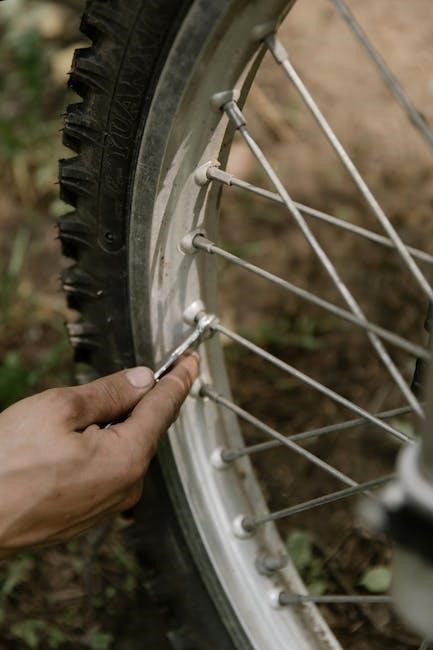
The throw screw on your Rain Bird 42SA+ is crucial for calibrating the spray distance. Rotating it clockwise decreases the radius, while counter-clockwise rotation increases it. However, be cautious – over-adjusting can lead to the nozzle dislodging and potentially flying off, especially if turned too far to the left.
Begin by observing the water stream; once it appears unbroken, further leftward rotation won’t extend the spray. If you lose the nozzle, a strong magnet might help retrieve it. The goal is to match the precipitation rate of different sprinkler heads, like comparing a 42SA to a 32SA. Adjust the 42SA’s throw radius to equal the 32SA’s, ensuring both deliver a similar amount of water over their respective areas.
Remember, this is an iterative process. Small adjustments are key. Consult a Rain Bird catalog for precise precipitation rate data for various nozzle combinations to achieve optimal, uniform watering across your lawn.
Addressing Wind Drift and Mist
Wind significantly impacts sprinkler performance, causing drift and reducing water reaching its intended target. With the Rain Bird 42SA+, mitigating this requires strategic nozzle selection and careful adjustment. Utilizing low-throw nozzles, particularly on the 32SA models, is highly effective in minimizing water pickup and drift caused by breezy conditions.
Excessive misting also indicates a problem, often stemming from high water pressure or improper nozzle selection. Ensure your water pressure is within the recommended range for the 42SA+. If misting persists, consider switching to nozzles designed for lower pressure or adjusting the throw screw to reduce the spray distance.
Proper placement of sprinkler heads, avoiding exposed areas, can also lessen wind’s impact. Regularly inspect your system and adjust as needed, especially during seasonal wind pattern changes, to maintain efficient and targeted irrigation.
Nozzle Selection for Specific Needs (Low Throw Nozzles)
Choosing the right nozzle is crucial for efficient watering with the Rain Bird 42SA+. Low throw nozzles are particularly beneficial in several scenarios. They excel in reducing wind drift, ensuring water lands where intended, especially in exposed areas. These nozzles are ideal for smaller lawn sections or when precise watering is needed, minimizing overspray onto sidewalks or flowerbeds.
The 4252SANZLPK nozzle tree offers a range of options, allowing customization based on your lawn’s specific requirements. Low-pressure/low-flow nozzle sets are advantageous where water conservation is a priority or water pressure is limited. They deliver consistent coverage without excessive water usage.
Experimenting with different nozzle types, considering throw distance and spray pattern, will optimize your system’s performance. Refer to the Rain Bird catalog for detailed precipitation rate data to make informed decisions and achieve uniform watering across your landscape.
Troubleshooting Common Issues
Addressing uneven water distribution, low precipitation rates, or lost nozzles requires systematic checks and adjustments to your Rain Bird 42SA+ system for optimal performance.
Causes range from clogged nozzles to improper throw screw settings, easily resolved with cleaning or recalibration for consistent coverage and efficiency.
Uneven Water Distribution – Causes and Solutions
Identifying the Root Cause: Uneven water distribution with your Rain Bird 42SA+ sprinklers often stems from several factors. A primary culprit is inconsistent water pressure throughout your system, potentially due to partially closed valves or pipe obstructions. Clogged nozzles are another frequent issue, restricting water flow and creating dry spots. Furthermore, improper nozzle selection – using a nozzle with a throw radius too large or small for the area – can lead to overlapping or insufficient coverage.
Practical Solutions: Begin by verifying consistent water pressure at each sprinkler head. Inspect and flush your pipes to remove any debris. Thoroughly clean all nozzles, removing mineral deposits or obstructions. Experiment with different nozzle types, referencing the Rain Bird catalog for appropriate precipitation rates. Adjust the throw screw to fine-tune the distance, ensuring adequate overlap between heads. If a nozzle is missing, promptly replace it to maintain uniform coverage. Remember, a systematic approach to diagnosis and adjustment is key to resolving uneven distribution.
Proactive Maintenance: Regularly inspect your sprinkler heads and nozzles to prevent future issues. Consider using a filter to protect your system from debris.
Low Precipitation Rate – Identifying the Problem
Recognizing the Signs: A low precipitation rate with your Rain Bird 42SA+ sprinklers manifests as dry patches, slow plant growth, or an overall inability to adequately saturate the soil. This indicates that the sprinkler heads aren’t delivering enough water to meet the lawn’s needs. Several factors can contribute to this issue, demanding a systematic approach to pinpoint the cause.
Troubleshooting Steps: First, verify adequate water pressure reaching the sprinkler head. A partially closed valve or pressure regulator set too low can significantly reduce output. Next, inspect the nozzle for clogs or damage, as even minor obstructions can drastically lower the precipitation rate. Ensure the correct nozzle type is installed for the intended throw distance; a nozzle designed for a larger area will deliver less water per square foot.
Advanced Checks: Compare the actual precipitation rate to the specifications listed in the Rain Bird catalog. If the rate remains low despite these checks, investigate potential leaks in the piping or sprinkler body. Addressing these issues will restore optimal watering performance.
Nozzle Loss and Replacement
Addressing Lost Nozzles: Losing a Rain Bird 42SA+ nozzle is surprisingly common, often occurring when the adjustment screw is over-rotated. Be cautious not to turn the screw further left once the water stream appears unbroken, as this can eject the nozzle. A strong magnet can sometimes aid in retrieval, especially on grassy surfaces.
Sourcing Replacements: If the nozzle is unrecoverable, replacements are readily available. Local sprinkler supply stores often carry a variety of Rain Bird nozzles, including warranty return stock that may be offered at a reduced price. Alternatively, online retailers provide a comprehensive selection of nozzle types and sets.
Proper Installation: When installing a new nozzle, ensure it’s securely seated and properly aligned. Gently tighten the adjustment screw until a consistent, unbroken spray pattern is achieved. Refer to the Rain Bird catalog for compatible nozzle options and recommended settings for your specific watering needs.
Advanced Techniques for Water Efficiency
Maximize water conservation by integrating Hydretain soil moisture retainers or Tournament Ready soil surfactants, enhancing soil’s ability to hold water and reducing irrigation frequency.
Consult the Rain Bird catalog for precise precipitation rate data, optimizing nozzle selection and system performance for efficient lawn hydration.
Utilizing Hydretain Soil Moisture Retainers
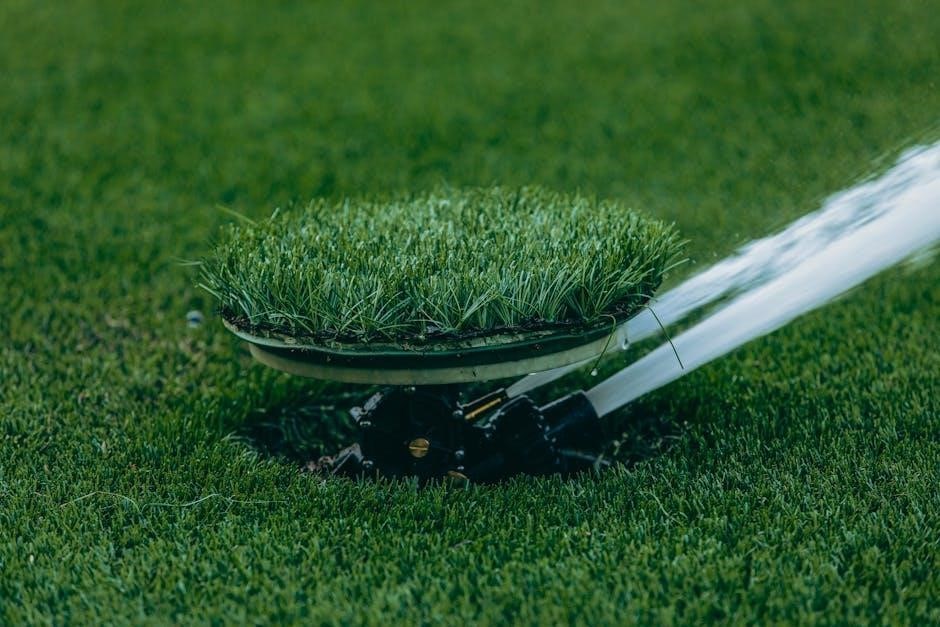
Hydretain represents a significant advancement in water conservation for lawns irrigated with Rain Bird 42SA+ sprinkler systems. This innovative product utilizes hygroscopic technology, meaning it attracts and holds water molecules to the soil, effectively increasing the moisture available to plant roots.
Unlike traditional soil wetting agents that simply reduce surface tension, Hydretain actually retains water within the root zone, lessening the impact of evaporation and runoff. This is particularly beneficial in sandy or fast-draining soils where water loss is rapid.
Application is straightforward, typically involving a granular formulation that’s spread evenly across the lawn. Hydretain’s benefits extend beyond simple water savings; plants exhibit increased drought tolerance, improved root development, and enhanced overall health. It’s a proactive approach to minimizing water waste and promoting a lush, resilient landscape, complementing the precision of your Rain Bird system.
Regular applications, as per the product instructions, ensure continued moisture retention and optimal performance, especially during peak watering seasons.
Tournament Ready Soil Surfactants – Application and Benefits
Tournament Ready (TR) soil surfactants offer a premium solution for maximizing water penetration and distribution, particularly when paired with a finely-tuned Rain Bird 42SA+ irrigation system. Unlike Hydretain, TR focuses on improving water’s ability to move through the soil profile, rather than simply retaining it.
Application requires a specialized applicator gun, costing approximately $125, and involves mixing TR pellets with water. Each 15-ish pellet batch treats roughly 15,000 square feet. This ensures even coverage and optimal performance.
The benefits are substantial: TR dramatically reduces localized dry spots, enhances uniform wetting, and improves the efficiency of your sprinkler system. It’s especially valuable for compacted soils or areas prone to hydrophobic conditions where water tends to bead up and run off.
TR’s advanced formulation creates microscopic pathways for water, allowing it to reach deeper roots and promoting healthier turf. It’s a professional-grade product favored by golf course superintendents for consistently pristine playing conditions.
Rain Bird Catalog for Precipitation Rate Data
Accurate precipitation rate (PR) data is crucial for designing and maintaining an efficient Rain Bird 42SA+ irrigation system. The official Rain Bird catalog serves as the definitive resource for this information, providing detailed specifications for each nozzle and sprinkler head model.
Within the catalog, you’ll find PR values listed in inches per hour (in/hr), allowing you to calculate the precise amount of water delivered to each zone. This data is essential for matching sprinkler heads with similar PRs, ensuring uniform coverage and preventing over or under-watering.
The catalog details PRs for various nozzle types, including full-circle, part-circle, and low-throw options, alongside their corresponding arc and radius settings. You can also find information on flow rates and operating pressures.
Rain Bird makes the catalog readily accessible online, offering a convenient way to look up PR data without needing a physical copy. Utilizing this resource empowers you to fine-tune your system for optimal water efficiency and a healthy, vibrant lawn.
Specific Nozzle Set Information
The 4252SANZLPK nozzle tree offers versatility for the 42SA, providing adjustable arcs from 40º to 360º and rotor nozzle sets for varied lawn needs.
Low pressure/low flow nozzle sets enhance efficiency, making them ideal for areas with limited water supply or specific irrigation requirements.
4252SANZLPK Nozzle Tree Details
The Rain Bird 4252SANZLPK nozzle tree is a crucial component for maximizing the flexibility of your 42SA+ sprinkler heads. This particular tree allows for a wide range of adjustments, enabling you to tailor the spray pattern to the precise needs of your lawn or garden.
Specifically, the 4252SANZLPK facilitates spray arc adjustments from a narrow 40-degree sector up to a full 360-degree circle. This adaptability is invaluable when navigating around obstacles, adjusting for irregular lawn shapes, or ensuring complete coverage in challenging areas. The nozzle tree also supports various rotor nozzle sets, providing options for different throw distances and precipitation rates.
Understanding the capabilities of this nozzle tree is key to achieving optimal water distribution. By carefully selecting the appropriate nozzle and adjusting the arc, you can minimize water waste, promote healthy plant growth, and create a beautifully landscaped outdoor space. It’s a versatile tool for both residential and commercial irrigation systems.
Low Pressure/Low Flow Nozzle Sets – Advantages
Employing low pressure/low flow nozzle sets with your Rain Bird 42SA+ sprinkler heads offers significant benefits, particularly in areas with limited water pressure or where water conservation is a priority. These specialized nozzles are engineered to deliver an effective spray pattern even at reduced flow rates, preventing misting and maximizing water utilization.
A primary advantage is the reduction of wind drift. Lower flow rates result in larger water droplets, which are less susceptible to being carried away by the breeze, ensuring water lands where it’s intended. This is especially beneficial for the 32SA models, where low throw nozzles are recommended to combat wind pickup.
Furthermore, these nozzle sets can extend the runtime of your irrigation system, allowing for more thorough soil saturation. They are an excellent choice for challenging landscapes and contribute to a more sustainable and efficient watering strategy, ultimately saving you water and money.